Compare Local Contractors for Curtain Drain Installation Services
Compare local contractors for curtain drain installation to define project scope, verify experience, and set clear expectations in writing for a successful job.
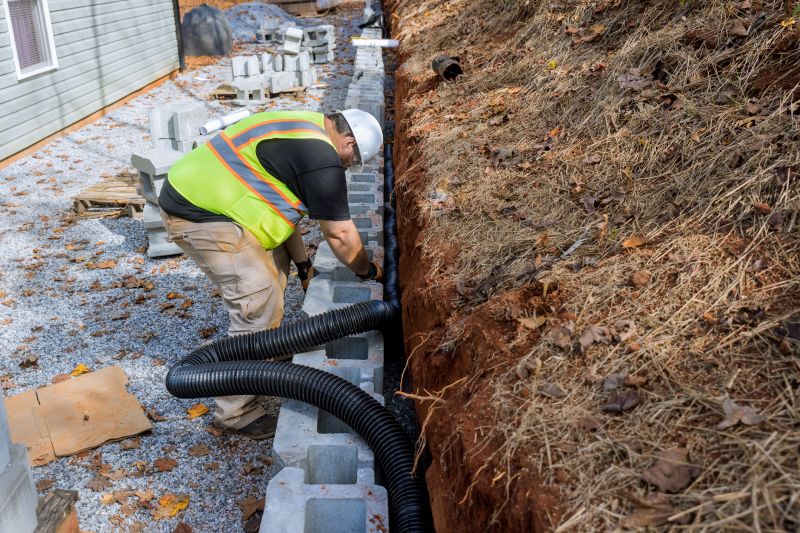
Curtain drain installation is a specialized service that typically involves creating a drainage system designed to redirect excess water away from foundations, basements, or other vulnerable areas of a property. This work often includes excavating trenches along the perimeter of a building, installing drainage pipes, and covering them with appropriate materials to ensure effective water flow. Properly installed curtain drains help prevent water accumulation that can lead to structural issues, soil erosion, or basement flooding, making it an essential component of property drainage management.
Defining the scope of curtain drain installation is a crucial step in ensuring the project meets specific property needs. A clear scope helps property owners understand what work will be performed, including the extent of excavation, the type of drainage materials used, and any additional features such as sump pumps or gravel beds. Having detailed, written agreements can prevent misunderstandings, ensure that all necessary work is included, and provide a basis for assessing the quality of the finished installation. This clarity supports better decision-making and helps set realistic expectations for the project.
When comparing local contractors for curtain drain installation, property owners should consider their experience with similar projects, the scope of services offered, and the methods they use. It’s beneficial to verify how long a contractor has been working in the area and whether they have handled properties similar to one’s own. Gathering references or reviews can provide insights into the quality of work and professionalism. Additionally, requesting detailed proposals that outline the work scope, materials, and procedures in writing can help property owners make informed choices and select a service provider capable of meeting their specific drainage needs.
Compare local contractors by outlining project priorities, verifying experience, and establishing clear scope and expectations in writing.
- Verify Experience and References - Check the contractor’s background and ask for references to ensure reliable curtain drain installation.
- Define Project Scope Clearly - Establish detailed work expectations and responsibilities before work begins.
- Compare Multiple Service Providers - Review quotes, credentials, and reviews to find the most suitable local contractors.
- Ensure Written Agreements - Document all project details, including scope, materials, and responsibilities, in a formal agreement.

Before comparing contractors for curtain drain installation, clearly define your project scope and verify their experience in similar work.
- Verify experience with curtain drain installation projects similar in scope and complexity. - Ensure service providers clearly define the scope of work and installation process in writing.
- Assess the contractor's understanding of proper drainage grading and slope requirements. - Confirm they can explain how they plan to ensure effective water diversion and prevent erosion.
- Check references or reviews regarding the durability and effectiveness of previous curtain drain installations. - Look for feedback on the quality and longevity of completed work.
- Ensure the contractor provides a detailed written scope, including materials, excavation, and backfilling procedures. - A comprehensive scope helps set clear expectations for the project.
- Discuss site-specific considerations such as soil type, existing landscaping, and drainage challenges with the service provider. - Proper assessment ensures the installation addresses unique property conditions.
- Confirm that the contractor follows local regulations and obtains necessary permits for drainage work. - Proper permitting and compliance are essential for a successful installation.
Compare local contractors’ experience and clarify project scope to ensure a successful curtain drain installation.


Use consistent comparison criteria to evaluate local contractors’ scope, experience, and written expectations for curtain drain installation.
- Scope Definition - Clearly outline the specific tasks and areas involved in the curtain drain installation project.
- Material Specifications - Identify the types of materials and drainage components to be used in the installation.
- Experience Verification - Confirm that local contractors have relevant experience with curtain drain systems and similar projects.
- Work Scope Documentation - Ensure all project details, responsibilities, and expectations are documented in writing before work begins.
- Comparison of Service Providers - Evaluate multiple local contractors based on scope, experience, and scope clarity to find the best fit for the project.
When comparing contractors for curtain drain installation, it is important to evaluate their experience with similar projects. Service providers who have a proven track record in installing curtain drains in environments comparable to the site in question can be more reliable. Inquire about their past work, including the types of soil, terrain, and drainage challenges encountered, to determine if they have relevant expertise. This background can help ensure that the contractor understands the specific requirements of the project and is equipped to handle potential site-specific issues.
A clear, written scope of work is essential when assessing different contractors. The scope should detail the specific tasks involved, such as site preparation, drain installation methods, materials used, and post-installation considerations. Having a detailed description helps prevent misunderstandings and ensures that both parties have aligned expectations. When reviewing proposals, look for comprehensive documentation that clearly outlines what will be done, avoiding vague language that could lead to discrepancies later on.
Verification basics are key to making an informed decision. Confirm that the service providers have a history of completing projects similar in scope and complexity. Request references or examples of completed curtain drain installations, and if possible, speak with previous clients to gather insights about their experience. Additionally, check that the contractors are knowledgeable about local site conditions and drainage principles. This verification process helps identify professionals who are capable of delivering quality work tailored to the specific needs of the project.
Evaluating options without focusing on prices involves assessing the overall value and reliability of each contractor. Consider their experience, the clarity of their scope, and their ability to communicate expectations in writing. Look for service providers who demonstrate professionalism, transparency, and a thorough understanding of the project requirements. Comparing these qualitative factors can help identify the most suitable contractor for curtain drain installation, ensuring the project is managed effectively and meets the necessary standards.
Ask contractors to provide written scope details to ensure clear expectations and consistent project understanding.
- Experience with Curtain Drain Installation - What prior projects or experience do local contractors have with installing curtain drains?
- Scope of Work Clarification - How do local service providers define the scope of a curtain drain installation to ensure all aspects are covered?
- Materials and Techniques - What materials and installation methods do local contractors typically use, and how do they compare?
- Project Expectations in Writing - How do local contractors document the scope, materials, and responsibilities to set clear expectations?
- Comparing Contractor Approaches - What key differences should be considered when evaluating how various local service providers plan and approach curtain drain projects?
What should I consider when comparing contractors for curtain drain installation? It's important to review each contractor’s experience with similar projects, verify their reputation through references or reviews, and ensure that scope details are clearly outlined in writing to set proper expectations.
How can I define the scope of a curtain drain installation? Clearly specify the area to be drained, the type of materials to be used, and any specific site conditions to help contractors understand the project requirements and provide accurate proposals.
What questions should I ask a contractor about their experience? Inquire about their previous work on curtain drain projects, request examples or references, and ask how they handle site-specific challenges to assess their familiarity with similar installations.
Why is it important to get project details in writing? Having the scope, materials, and expectations documented helps prevent misunderstandings, provides a reference point, and ensures all parties agree on the project parameters.
How can I verify a contractor’s reliability? Check for references or reviews, ask about their previous projects, and confirm that they follow local standards and practices relevant to curtain drain installation.
What are key factors to consider when choosing a contractor for this work? Focus on their experience with similar projects, the clarity of their proposals, and their ability to communicate project scope and expectations effectively in writing.
Understanding the key aspects of curtain drain installation can help in making informed decisions about hiring a contractor. Visitors learned how to clearly define the scope of work, verify the experience of local contractors, and set expectations in writing to ensure a smooth project process. Comparing options through a straightforward quote form makes it easier to evaluate different service providers and find the right match for specific needs.
Using the quote form allows for convenient comparison of local contractors specializing in curtain drain installation. It provides a simple way to gather information, review potential service providers, and make well-informed choices. Connecting with qualified local contractors through this process can help ensure the project aligns with individual requirements and expectations.